- Home
- News Press Releases
- Why multimodal logistics will drive India’s next p...
Why multimodal logistics will drive India’s next phase of growth
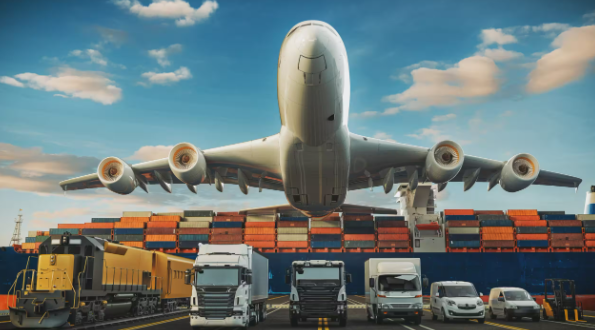
Manufacturers that are export oriented no longer need to be near ports. Today, they can set up operations wherever it makes the most economic sense and tap into India’s growing network of roads, railroads, airports and ports to reach domestic and international markets efficiently.
Exports and domestic consumption are driving India’s economy but sustaining that momentum will depend on an effective logistics ecosystem. By connecting businesses to markets, logistics enables businesses to realise their global ambitions while supporting seamless distribution of goods across the country.
Manufacturers that are export oriented no longer need to be near ports. Today, they can set up operations wherever it makes the most economic sense and tap into India’s growing network of roads, railroads, airports and ports to reach domestic and international markets efficiently.
The transformation is being driven by growing adoption of multimodal logistics. By integrating multiple modes of transport- rail, air, sea, and road- under a single contract with a single operator, multimodal logistics eases cargo movement while reducing costs and transit time. The benefits of multimodal logistics extend across the supply chain. Lower logistics costs, faster delivery times and fewer procedural bottlenecks are enhancing the competitiveness of Indian manufacturers and exporters.
Multimodal logistics has cut down shipping costs, reduced time of delivery for manufacturers and exporters. This provides India with a competitive edge, especially in view of the goal to achieve $2 trillion worth of exports by 2030. The growing adoption of multimodal logistics reflects the consensus among all stakeholders that the future of freight movement requires an integrated logistics ecosystem with multimodal connectivity at its core. This is evident in the Government’s policy initiative.
Numbers don't lie
The push for a multimodal approach has already begun delivering tangible results. Most importantly, logistics costs are coming down. When the National Logistics Policy was launched in 2022, logistics costs were estimated at 13-14 per cent of India's GDP.
According to government estimates released last year, this has dropped to 8 per cent . As logistics cost decline businesses are becoming more confident about finding new markets beyond their immediate geographies. A seller based in Coimbatore can now serve customers in Srinagar more efficiently, while an industrial automation components maker based in Nashik can tap export markets in the US, Europe or Asia-Pacific.
The integrated policy push combined with lower logistics costs, has helped India's logistics sector reach the $246 billion mark at the end of FY25. Based on the current momentum, it is estimated to reach $362 billion by FY30, expanding at a CAGR of 8 per cent.
Success corridors
Road infrastructure is becoming the backbone of India’s logistics revolution. With programs like Bharatmala, PM Gati Shakti, and a growing network of economic corridors and expressways, the country is taking a giant leap in freight mobility and supply chain efficiency. India’s National Highway network has expanded to more than 146,000 km. Access-controlled expressways have cut travel times and improved connectivity between manufacturing clusters, ports and consumption cities.
NHAI is building over 5,300 km of national highways in FY26, above its yearly objective. These investments are helping to reduce logistics costs, improving delivery reliability and enhancing India’s competitiveness as a manufacturing and trade hub. Strong road connection is the major first and last mile link enabling smooth movement of products across the country. Rail, coastal shipping and inland waterways continue to bolster the multimodal ecosystem in the country.
Push integrated
